The Amur Falcon, one of the smallest migratory raptors in the world, has once again stunned scientists, bird lovers, and conservationists with its unbelievable endurance. Weighing barely 150 grams—lighter than a smartphone—the bird has completed a journey that would challenge even the most advanced aircraft: a non-stop 6,000 km flight from India to Kenya in just six days.
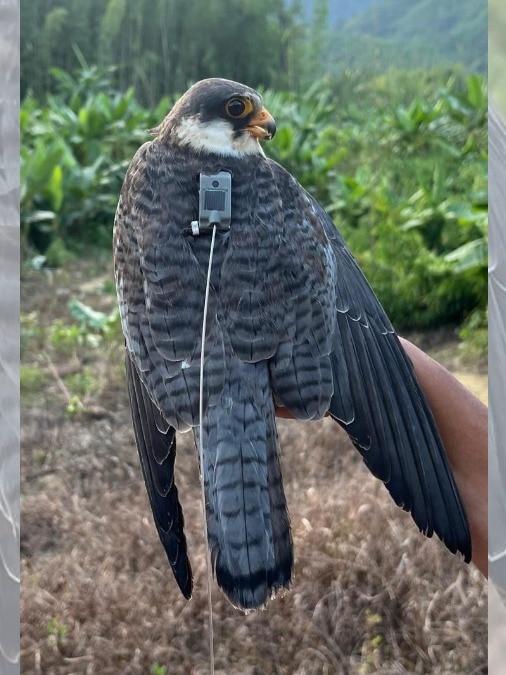
This year, three satellite-tagged Amur Falcons from Manipur completed this remarkable transcontinental journey, reinforcing their reputation as “long-distance champions” of the skies. Their migration represents one of nature’s most impressive survival stories, blending instinct, precision, and unimaginable stamina.
texashomeandfloors.com | thedigitshub.com | thedigitalic.com
LogInomaSlot.info | BagLens.com
What Makes This Journey So Extraordinary?
Amur Falcons migrate from northeast India to southern Africa every year. But what sets them apart is not just the long route—it’s the non-stop, over-the-ocean flight that lasts several days without rest.
1. A 6-Day Flight With No Breaks
The tagged birds flew continuously over:
-
The Bay of Bengal
-
The Indian Ocean
-
Parts of the Arabian Sea
-
East African coastline
This section of the journey has no landmass, meaning:
-
No place to rest
-
No place to feed
-
No shelter from storms
To survive:
-
Their bodies burn stored fat at a rapid—but carefully regulated—rate.
-
They ride monsoon winds and air currents to conserve energy.
-
Their wings maintain a constant beat for days.
2. Body Weight vs. Flight Distance
At just 150 grams, the Amur Falcon completes a longer non-stop flight than most migratory birds several times its size. Scientists consider this one of the most efficient flight mechanisms in the animal kingdom.
3. Satellite-Tagging Reveals the Full Route
The three falcons tagged in Manipur have helped scientists map:
-
Their exact migration path
-
Speed
-
Stopover points
-
Survival patterns
This data is crucial for conservation efforts.
Manipur: A Crucial Stopover in the Falcon’s Journey
Every year, lakhs of Amur Falcons arrive in Nagaland and Manipur between October and November during their migration from Siberia, Mongolia, and northern China.
Why Manipur Matters
-
It provides food in the form of insects.
-
Reservoirs and wetlands offer ideal roosting spots.
-
It acts as their last fuel station before the long oceanic flight.
Local Conservation Success
Only a few years ago, these falcons were threatened by large-scale hunting. But today:
-
Local communities
-
Forest departments
-
Wildlife NGOs
have transformed the region into one of the safest stopover zones for the species.
Manipur’s role is so crucial that the birds’ survival on the Africa journey depends on how well they feed and rest here.
How the Falcons Manage a 6,000 km Non-Stop Flight
The science behind their endurance is fascinating.
1. Extraordinary Aerodynamics
Amur Falcons have:
-
Long, pointed wings
-
Streamlined bodies
-
Lightweight skeletal structures
This allows them to minimize energy loss during long flights.
2. Fat: Their High-Energy Fuel
Before their migration, falcons gain weight by eating intensively.
Fat becomes their:
-
Fuel
-
Water source
-
Energy reserve
They burn this fat slowly to sustain themselves over the ocean.
3. Weather and Wind Assistance
Falcons time their flight according to:
-
Seasonal tailwinds
-
Oceanic wind patterns
-
Cyclone avoidance
Riding these winds can increase their flying speed by 30–40%, conserving energy.
Arrival in Africa: Endurance Pays Off
The birds finally reach:
-
Somalia
-
Kenya
-
Tanzania
Here, they feed, recover, and spend the winter months hunting insects before they begin the return journey to Asia and Russia in spring.
Why Africa Matters
Africa’s grasslands offer:
-
Abundant locusts
-
Termites
-
Small insects
-
Safe roosting spots
This seasonal cycle is essential for their breeding success back in Siberia and Mongolia.
Why This Migration Matters to Scientists
The Amur Falcon migration is more than a natural wonder—it is a vital ecological indicator.
1. A Measure of Climate Change
Tracking their route helps scientists understand:
-
How wind patterns are shifting
-
How ocean temperatures influence migration
-
How extreme weather affects survival
If falcons alter their routes, it signals environmental changes.
2. Transcontinental Ecosystem Connection
The birds connect:
-
Asia → Indian Ocean → Africa
Their survival depends on:
-
Indian stopover sites
-
Oceanic climate
-
African feeding zones
This highlights how ecosystems across continents are interlinked.
3. Conservation Success Story
The turnaround in Nagaland and Manipur from hunting to conservation is hailed globally as a case study in community-led wildlife protection.
Challenges That Still Threaten the Falcons
Despite their resilience, the Amur Falcons face serious threats:
1. Climate Change
-
Disrupted wind patterns
-
Stronger cyclones
-
Heatwaves in Africa
These can exhaust or blow birds off-course.
2. Habitat Loss
-
Deforestation
-
Wetland destruction
-
Insect decline
Can reduce roosting and feeding opportunities.
3. Illegal Hunting in Other Countries
While India has strengthened protection, some regions along their route still pose risks.
Why the 6,000 km Flight Is a Story Worth Celebrating
The journey of these tiny falcons is a reminder of nature’s resilience and precision. Their migration:
-
Shows the strength of conservation when communities participate
-
Demonstrates the interconnectedness of continents
-
Provides critical scientific knowledge
-
Inspires global appreciation for wildlife
The fact that a 150-gram bird can cross oceans non-stop in six days is not just a scientific marvel—it is a symbol of nature’s extraordinary intelligence.
Conclusion
The Amur Falcons’ remarkable 6-day, 6,000 km flight from Manipur to Kenya is one of the greatest migration feats in the natural world. As satellite-tagged falcons continue to report their positions across continents, they reveal a powerful story of survival, endurance, and cooperation between nations and communities.
Their journey from India to Africa is more than migration—it is a continuous reminder that even the smallest creatures can accomplish the most magnificent feats.
