As more Indian students, tech professionals, and families fly to the United States each year, a unique homegrown industry has quietly flourished in the kitchens of Mumbai and Ahmedabad. A rising number of Gujarati women—fondly known as “Gujarati bens”—have turned their home cooking skills into successful micro-businesses by supplying fresh, vacuum-sealed, ready-to-carry Gujarati food to outgoing travellers.
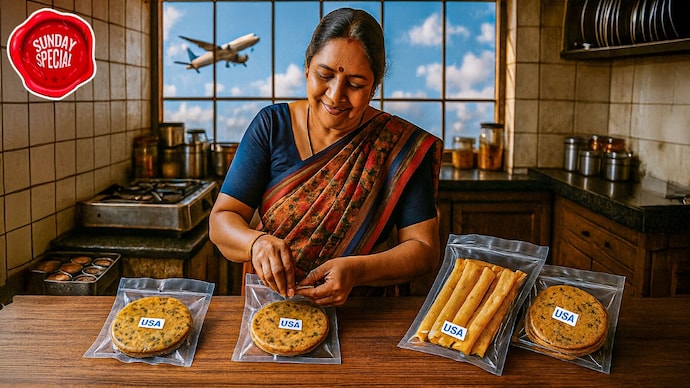
From stacks of thepla and fafda to neatly sealed packets of khakhra, methi gota, ganthiya, and ready-to-eat pav bhaji or undhiyu, these women-run ventures have become a lifeline for thousands of students and techies beginning their new life abroad. Their kitchens, often run with simple equipment and family support, now serve as a reliable pit stop before a long international journey.
This trend is not only about food—it reflects culture, emotion, adaptation, and the growing entrepreneurial spirit among women in India.
The Essential Stop Before America
For many Gujarati families, food is not just nourishment—it is comfort, identity, and a reminder of home. Travellers flying to the US often worry about adjusting to new tastes, finding vegetarian options, or handling busy schedules as students or working professionals. This is where the Gujarati home cooks step in.
As soon as a visa is approved and tickets are booked, WhatsApp groups and phone calls begin. Families reach out to trusted home chefs in Mumbai or Ahmedabad and place long lists of orders:
-
100 theplas, vacuum-sealed
-
Packets of khakhra that last 2–3 months
-
Ready-to-eat dal and sabzi pouches
-
Snack mixes like chevdo, fafda, or gathiya
-
Travel-friendly chutney powder
Orders are customized based on the traveller’s preferences, dietary habits, and duration of stay. Many home cooks prepare food in bulk specifically for students who may not have the time or money to cook every day, especially during their first few months abroad.
thetokenclock.com | nearmebiz.com | organicsearchtrafficbot.com
successorganisation.com | topcbdinfo.com
Why the Demand Is Growing
The demand for home-style Gujarati food among US-bound travellers has skyrocketed for several reasons:
1. Comfort in a new environment
For young students leaving home for the first time, familiar food brings emotional comfort. Thepla and khakhra are popular because they are dry, long-lasting, and can withstand long flights.
2. Rising number of Indian immigrants
Every year, thousands of Indians move to America for studies, work, or family. Gujarat is among the top states sending students abroad, increasing the number of families seeking travel-friendly food.
3. Vacuum-sealing makes travel easy
Modern packaging, including vacuum sealing and airtight containers, ensures the food stays fresh for weeks or even months. What earlier had a shelf life of 2–3 days can now last much longer.
4. Increasing trust in home-based entrepreneurs
These home cooks often operate through referrals. Families trust them because:
-
The food is homemade
-
Ingredients are simple
-
Hygiene is personally assured
-
Taste is authentic
5. Cost-effective alternative
Buying Indian snacks in the US is expensive. Packed theplas or khakhra there can cost four to ten times more compared to India.
The Women Behind the Business
What makes this trend even more inspiring is the women powering it. Many of these Gujarati bens:
-
Started cooking to support their families
-
Operate from small home kitchens
-
Work without professional staff
-
Use basic equipment like gas stoves, rolling pins, and homemade masala mixes
-
Rely on word-of-mouth marketing
Most are homemakers who found a business opportunity in a simple skill they already possessed—cooking traditional Gujarati food well.
For many, this work provides financial independence for the first time. Their earnings support household expenses, education costs, or medical bills. The flexibility to work from home allows them to balance family responsibilities while running a steady business.
A Well-Oiled System
Though informal, this network runs surprisingly smoothly:
1. Pre-ordering weeks in advance
Since flights are usually booked early, families contact home cooks 10–20 days before the journey.
2. Bulk cooking in stages
Some items like khakhra and snacks are prepared earlier, while thepla and fresh meals are cooked just a day before pickup.
3. Packaging expertise
Many women have invested in small sealing machines. They use:
-
Vacuum seals
-
Zip pouches
-
Moisture-proof packaging
-
Labels for easy identification
4. Airport-friendly preparation
The food is packed in a way that passes through immigration checks easily. Liquids are avoided; dry and semi-dry items are preferred.
5. Hassle-free pickup
Travellers or family members swing by the kitchen on their way to the airport to collect fresh packets.
Emotional Value Behind the Food
Beyond business, this trend is deeply emotional. For many students and professionals leaving India, these packets carry:
-
A piece of home
-
A connection to family traditions
-
Nostalgia for childhood flavours
-
Warmth during stressful moments abroad
Parents feel reassured knowing their children will not struggle with food during their first few months. Students carry the food as a reminder of home during lonely or difficult times.
For the women making the food, every packet carries a sense of pride and purpose. They treat travellers like their own children, ensuring quality and hygiene with personal care.
A Growing Industry With Big Potential
What began as an informal service has now grown into a flourishing cottage industry. Some home cooks now:
-
Take orders from across cities
-
Use Instagram and WhatsApp to promote menus
-
Hire helpers during peak seasons (June–August and December–January)
-
Collaborate with tiffin services abroad
-
Expand into ready-to-eat packaged meals
There is also increasing interest from non-Gujarati communities who find these snacks convenient and flavourful.
More Than Food—A Cultural Bridge
These Gujarati bens are not just feeding travellers—they are bringing Gujarati culture to international borders. Their food acts as:
-
a comfort for students
-
a time-saving option for workers
-
a reminder of tradition
-
a symbol of home
They embody the power of small businesses and showcase how homemade food can connect continents.
Conclusion
The rise of home-based Gujarati food businesses in Mumbai and Ahmedabad highlights a beautiful blend of tradition, entrepreneurship, and emotional connection. These women are not just selling snacks—they are sending love, care, and culture across oceans. As more Indians fly abroad, the demand for their homemade food is only set to grow, turning their simple home kitchens into essential support systems for Indians beginning a new life in the United States.
