Air quality in major Indian cities continues to remain a serious concern as winter progresses. While Delhi has been battling “poor to very poor” air quality for over a month, Mumbai is now preparing to enforce stricter pollution-control measures if conditions worsen further. The Brihanmumbai Municipal Corporation (BMC) has announced that it will impose GRAP-IV, the highest level of pollution-response measures, if the city’s Air Quality Index (AQI) rises above 200 for three consecutive days.
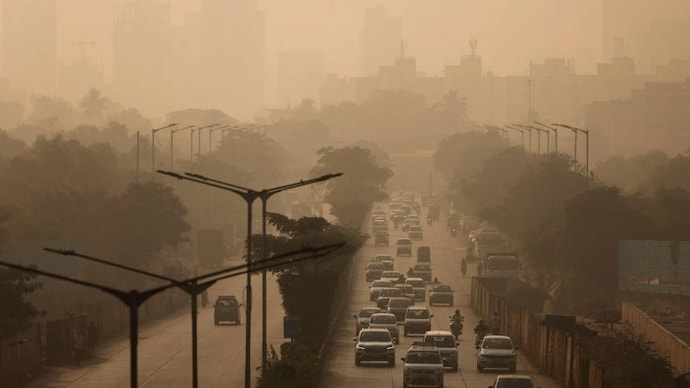
The contrast between Mumbai’s proactive stance and Delhi’s ongoing struggle, despite its AQI frequently crossing 300, highlights significant differences in air-quality management between the two metros. This article explains what GRAP-IV means, why Mumbai is preparing stricter action, and why Delhi has seen no new restrictions despite deteriorating conditions.
Understanding the Current Pollution Situation
Mumbai’s AQI Trends
Mumbai has traditionally maintained better air quality compared to Delhi, but in recent years, pollution levels have started rising significantly. Sudden spikes in particulate matter (PM2.5 and PM10) have led to smoggy mornings, reduced visibility, and respiratory discomfort for residents.
The BMC recently stated that if the AQI exceeds 200 (Poor category) for three consecutive days, it will automatically trigger the enforcement of GRAP-IV restrictions—a measure rarely considered in earlier years.
FriesandExercise.com | fitofithealth.com | autoexposer.com
thenewsfreakers.co.uk | theparentingera.com
Delhi’s AQI Trends
Delhi continues to face severe pollution due to multiple reasons:
-
stubble burning in neighbouring states
-
industrial emissions
-
vehicle pollution
-
winter inversion
-
dust from construction
-
low wind speed
Delhi’s AQI has frequently crossed 300 (Very Poor) and sometimes touched 400+ (Severe). Despite this, authorities have not imposed new curbs, which has drawn public criticism.
What is GRAP and What Does GRAP-IV Mean?
The Graded Response Action Plan (GRAP) is a set of pollution-control rules used by NCR cities and now adopted by Mumbai. GRAP categorizes pollution levels and prescribes actions accordingly.
GRAP-IV: The Strictest Level
When AQI reaches ‘Severe’ or is projected to reach dangerous levels, GRAP-IV is triggered.
Typical GRAP-IV restrictions include:
-
Ban on all construction activities
-
Ban on entry of heavy commercial vehicles
-
Closing of stone crushers and brick kilns
-
Restrictions on industrial operations
-
Advisories for schools to suspend outdoor activities
-
Increase in mechanised road cleaning and water sprinkling
-
Closure of parking lots to discourage vehicle use
If enforced, this will be one of the strictest pollution-control interventions ever implemented in Mumbai.
Why Mumbai Is Acting Early
Mumbai’s approach indicates a shift toward preventive pollution management, unlike the traditionally reactive methods. The BMC and Maharashtra Pollution Control Board (MPCB) want to prevent Mumbai from entering the severe levels that Delhi routinely faces.
Key reasons behind Mumbai’s preparedness include:
1. Rising Local Pollution Sources
Mumbai’s pollution has increased due to:
-
rapid construction
-
traffic congestion
-
industrial emissions
-
coastal wind patterns trapping pollutants
-
redevelopment activities across the city
2. Increasing Health Concerns
Doctors have reported:
-
increase in asthma cases
-
more respiratory infections
-
eye irritation complaints
-
breathlessness among children and elderly
3. Public Awareness and Pressure
Residents have become more vocal about air quality, especially after several days of hazy skies in recent months.
Why Delhi Has Not Imposed New Restrictions
Delhi’s air quality has remained in the “poor” and “very poor” categories for weeks, but authorities have not introduced fresh curbs.
Several reasons could explain this:
1. Economic Considerations
Construction bans, vehicle restrictions, and industry closures have severe economic impacts. Authorities may be trying to avoid disrupting:
-
livelihoods
-
infrastructure projects
-
transport services
-
small industries
2. Recent Partial Improvements
Authorities claim that although AQI remains poor, it is slightly lower compared to earlier severe episodes, reducing the urgency to impose GRAP-IV.
3. Political Sensitivity
Pollution-control measures often involve politically sensitive decisions, especially when multiple agencies and state governments are involved. Coordination delays are common.
4. Policy Limitations
Unlike Mumbai, Delhi’s pollution has deep structural causes—stubble burning, climatic conditions, and geography—making short-term curbs only partially effective.
Health Impact on the Public
Both Mumbai and Delhi residents experience similar health issues during high-pollution months.
Common Symptoms Include:
-
cough and throat irritation
-
watery or itchy eyes
-
fatigue and headaches
-
reduced lung capacity
-
difficulty breathing
Doctors advise people with asthma, heart disease, or chronic lung issues to avoid prolonged outdoor exposure during high AQI days.
Steps Taken by Both Cities
Mumbai’s Actions
Mumbai has increased:
-
mechanised road cleaning
-
water sprinkling
-
monitoring of construction sites
-
enforcement of dust-control rules
-
public advisories
If AQI worsens, more restrictions will follow automatically.
Delhi’s Actions
Delhi currently continues with:
-
dust-control drives
-
restrictions on older diesel vehicles
-
air-quality monitoring stations
-
public advisories on mask usage
But no new GRAP-IV restrictions have been announced.
Public Reaction
Mumbai
Residents appreciate the proactive approach but worry about the inconvenience of strict restrictions, especially construction bans and traffic limitations.
Delhi
People express frustration that serious pollution persists without strong action. Many Delhi residents expected fresh curbs when AQI crossed 300 repeatedly.
Social media discussions highlight:
-
concerns for children
-
calls for remote work options
-
criticism of government inaction
-
comparisons with global cities facing similar issues
What Lies Ahead
For Mumbai
If AQI crosses 200 for three days:
-
GRAP-IV will be enforced
-
construction industry will face restrictions
-
vehicular movement may be regulated
-
public and private sectors may need to adjust operations
Authorities hope early action prevents long-term severe pollution.
For Delhi
Unless the AQI improves significantly:
-
pressure will grow on authorities
-
public health risks will rise
-
schools may need stronger advisories
-
stricter GRAP stages may be reconsidered
Long-term solutions like improved public transport, cleaner fuels, and regional cooperation remain essential.
Conclusion
India’s pollution crisis continues to challenge both citizens and policymakers. Mumbai’s decision to prepare for GRAP-IV if AQI stays above 200 signals a shift toward preventive environmental governance. Delhi, meanwhile, continues to struggle without new restrictions despite consistently poor air.
While the two cities face different challenges, the message is clear: effective pollution management requires early action, strong coordination, and sustained long-term strategies. With winter only halfway through, both Mumbai and Delhi must remain alert as air quality remains a major public health concern.
