The Nithari killings remain one of the most disturbing and puzzling criminal cases in India’s recent history. What began in 2006 as an investigation into missing children in Noida’s Nithari village quickly spiralled into a national nightmare, raising questions about policing, forensic practices, and justice. Nearly two decades later, the two primary accused—Surender Koli and Moninder Singh Pandher—have been acquitted in several cases linked to the alleged serial killings. Their acquittal reopened an uncomfortable question: If they didn’t commit the crimes, then who did?
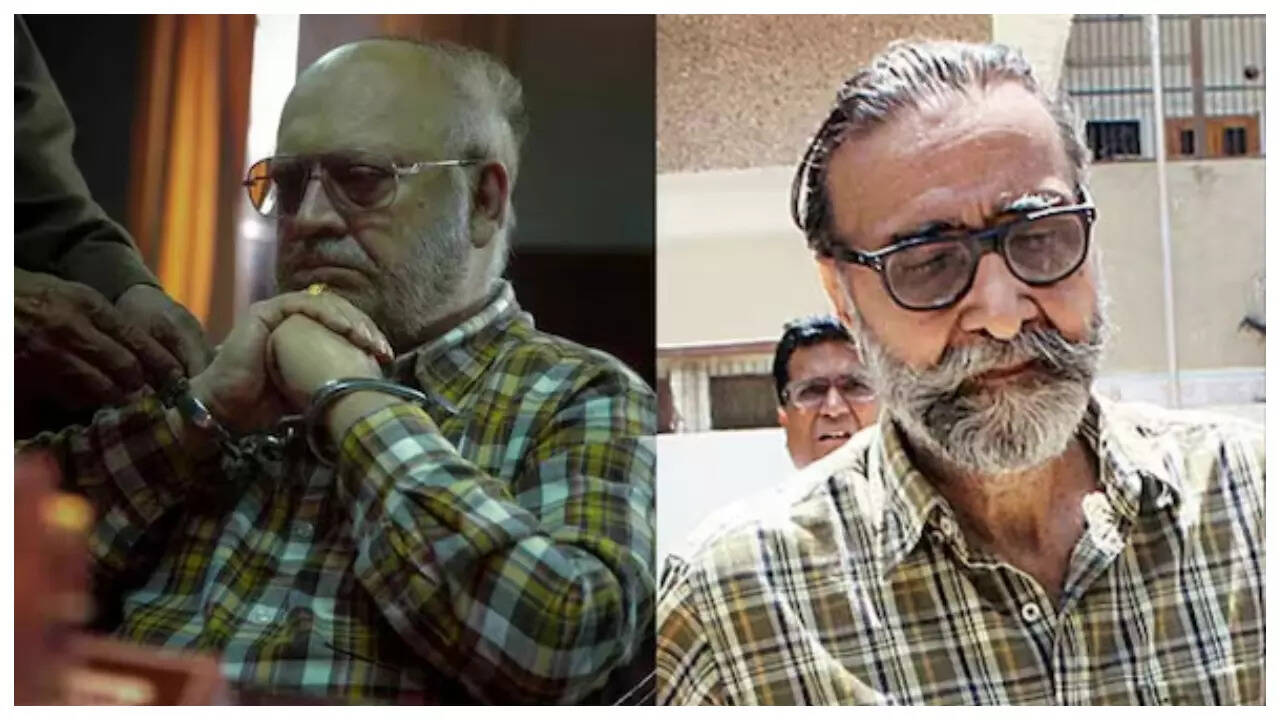
In a new tell-all interview, Moninder Singh Pandher has spoken publicly after years of silence. His remarks have reignited public debate and reopened wounds that have never fully healed for the families who lost their children.
alpinequests.com | SquiresLoftThailand.com | partyprivee.com
prediksibento.com | ezdtravelandtours.com
The Beginning: Mysterious Disappearances in Nithari
Between 2005 and 2006, several children and young women from Nithari village, located near Noida’s posh Sector 31, went missing. Families repeatedly approached police for help, alleging negligence and inaction. It was only after immense pressure that authorities intensified their search.
On 29 December 2006, human remains were discovered in and around the drain behind House D-5 in Nithari. What followed was a chilling sequence of discoveries—skulls, bones, and clothes belonging to missing children. The nation was horrified.
Arrests and the Beginning of the Controversy
The police arrested two men:
-
Moninder Singh Pandher, the owner of the house
-
Surender Koli, his domestic help
Koli was immediately labelled a “serial killer,” and Pandher was accused of being complicit. The arrests triggered a media storm. Graphic descriptions, speculation, and sensationalism painted a terrifying picture even before the trials began.
However, from the very beginning, many activists, legal experts, and observers pointed out major gaps in the investigation.
Years of Trials, Conflicting Judgments
Over the years, the CBI filed multiple chargesheets and the two accused were tried in several separate cases. Some courts convicted them, others acquitted them.
In 2014, the Allahabad High Court acquitted Pandher in one case, stating that there was no evidence of his involvement. However, Koli’s sentences stood in most of the cases.
Then came the major turning point.
The 2023 Acquittal: A Stunning Legal Twist
In October 2023, the Allahabad High Court acquitted both Koli and Pandher in multiple cases, citing:
-
Lack of proper evidence
-
Poor quality of investigation
-
Procedural lapses
-
Contradictory forensic interpretations
The verdict shook the country again—this time not out of fear, but confusion.
If the two men had been wrongly accused, then what really happened in Nithari?
Pandher Speaks: “Nobody Killed Nithari Children?”
In the new interview that has gone viral, Pandher gives his version of events, sharply questioning the investigation that branded him as a killer. His comments have stirred intense reactions online.
“I was framed,” he claims.
Pandher says he was not even in Noida for most of the period when the children went missing. He argues that he became a scapegoat because the case demanded quick answers and public outrage needed a target.
On Surender Koli
He says Koli was a harmless man with limited education and no criminal history, suggesting that investigators coerced confessions out of him through fear and pressure.
On the Forensic Evidence
Pandher points out that the forensic reports never conclusively linked him to the crime scene. According to him, major gaps were ignored because the public wanted a narrative, not the truth.
Families Still Searching for Answers
For the families of the children, the acquittals re-opened old wounds. Many parents have spent nearly 20 years fighting for justice, only to be told that the story built around the case is collapsing.
“If these two men didn’t do it, who did?”
This question haunts them.
Some parents believe the investigation was flawed from the beginning. Others still believe the original convictions were justified.
But all of them share one painful reality — they still do not know what happened to their children.
What Went Wrong: A Deep Look Into the Investigation
Legal experts have long cited serious concerns about how the case was handled:
1. Delayed Police Action
Families complained for months before authorities took them seriously. By then, crucial evidence may have been lost.
2. Conflicting Forensic Interpretations
Different agencies presented different conclusions about the remains found at the site.
3. Alleged Forced Confessions
Human rights groups questioned the reliability of confessions obtained during interrogation.
4. Media Frenzy
Sensational coverage may have influenced public perception long before evidence was fully evaluated.
5. Lack of a Clear Motive
Investigators never established a clear, credible motive for such horrific crimes.
Together, these issues make the Nithari case one of India’s most troubling examples of investigative failure.
The Psychological Impact on the Nation
The Nithari killings left a long-lasting scar on India. It forced the public to confront:
-
Vulnerabilities of children in poor communities
-
Institutional indifference toward the marginalised
-
How pressure to “resolve” a case can lead to shortcuts
The acquittals have revived these difficult conversations. If the actual perpetrators remain unidentified, the tragedy becomes even more painful.
Where the Case Stands Today
More than 19 years later:
-
Many families still await closure
-
Investigators face renewed questions
-
Legal experts call for a fresh, independent review
-
Activists demand accountability for investigative lapses
Pandher’s interview adds yet another layer of complexity, but it does not answer the core mystery.
Conclusion: A Mystery That Demands Answers
The Nithari case is no longer just a criminal investigation — it is a lesson in how justice can go wrong, how the vulnerable suffer, and how truth can remain buried for decades. As the primary accused walk free after acquittal, India is once again forced to confront the haunting question:
If nobody killed the Nithari children, then who did?
Until that question is answered, the case will remain one of the darkest unresolved puzzles in India’s criminal history.
