In an age where almost every unusual incident is captured on camera and shared online, airlines are increasingly finding themselves in the spotlight for reasons beyond delays or inflight scuffles. This time, an old video from an IndiGo flight has resurfaced and gone viral, showing a man allegedly attempting to steal a life jacket before deboarding.
The video has ignited a nationwide debate on passenger etiquette, safety concerns, and social behavior, while also prompting humorous takes from netizens. But at its core, the incident raises important questions about awareness of safety equipment and the boundaries of acceptable conduct during air travel.
The Incident: A Shocking Attempt
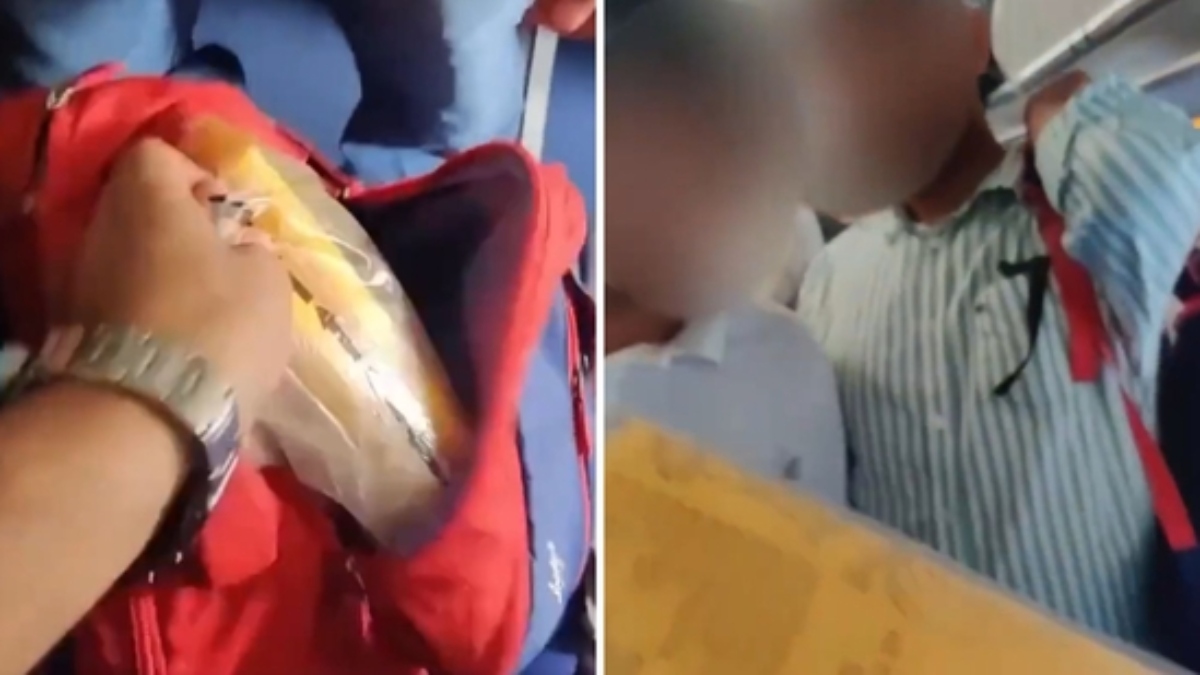
The footage shows a passenger standing in the queue to deboard, with a life jacket hidden in his bag. Another vigilant co-passenger notices the act and intervenes. The confrontation, captured on video, unfolds inside the aircraft cabin:
-
The co-passenger firmly asks the accused traveler to open his bag, repeating, “Zara bag open karna aap” (please open your bag).
-
Inside, a bright yellow life jacket is found.
-
The confronting passenger tells him, “Bhaiya, ye chiz sahi nahi hai” (Brother, this is not right). He explains that the jacket is meant for safety and not for personal use.
The scene captures both disbelief and disappointment from surrounding passengers, many of whom watch silently as the life-saving equipment is held up for everyone to see.
Public Reaction: Outrage and Ridicule
The viral clip has drawn over a million views and sparked a flood of reactions online. Many users criticized the alleged thief, calling his actions both irresponsible and embarrassing.
-
Some argued that such behavior damages India’s reputation abroad, pointing to a lack of civic sense among certain travelers.
-
One comment bluntly stated: “Blankets, life jackets, towels. These are not yours. The ‘I got it free’ mindset is the reason some people remain stuck in backward thinking.”
-
Another user remarked: “What will he even do with the jacket? It’s useless on land, yet he tried to steal it. This is sick mentality.”
-
A stronger suggestion from the online community was to ban the passenger from flying on airlines altogether.
However, the incident was not without its lighter side. Social media users, as they often do, turned the episode into a source of humor:
-
“Swimming pool mein pehenega” (he will wear it in a swimming pool), joked one user.
-
Others quipped about him trying to recover the cost of his flight ticket by “collecting freebies.”
horacemallette.com | beforeitsnewscom.com | digitalnextsmm.in
The Debate on Confrontation and Recording
While the majority condemned the act of theft, a secondary debate emerged around the confrontation itself.
-
Critics of the video suggested that the man could have been reprimanded quietly without recording the entire event.
-
Some accused the person filming of seeking social media clout, writing comments like: “Why make a video? Just guide him politely instead of creating content for likes.”
-
Supporters of the video, however, argued that public exposure acts as a deterrent. Recording the incident ensured accountability and highlighted the seriousness of the act.
This dual perspective reveals a larger conversation about how society handles public shaming versus private correction when it comes to minor but socially disruptive acts.
Why This Matters: Safety and Awareness
The incident may appear trivial on the surface, but stealing a life jacket from an aircraft is a serious offense. Life jackets are critical emergency equipment, and tampering with or removing them puts future passengers at risk.
-
Each seat on a commercial aircraft is equipped with a jacket, as per aviation safety rules.
-
In an unlikely water landing, these jackets are designed to save lives by providing flotation.
-
Removing even one from its designated place reduces preparedness for emergencies.
Such actions highlight the need for greater passenger education. Many travelers may not fully appreciate that items like life jackets and oxygen masks are not mere accessories but regulated safety tools.
Not an Isolated Case: Theft in the Skies
Airlines worldwide have faced issues of passengers attempting to steal or tamper with inflight items. While blankets, headphones, or cutlery are the more common targets, cases involving safety gear are not unheard of.
A similar international incident was reported recently on a Dubai to Singapore flight, where a 25-year-old Chinese passenger was caught attempting to steal from another traveler’s bag. Alert co-passengers and crew intervened, and the man was arrested upon landing at Singapore’s Changi Airport.
These events underline a larger global challenge—ensuring that air travelers uphold not just rules but also a sense of shared responsibility for everyone’s safety.
Cultural Habits and Mindset Issues
Some social media users linked the IndiGo incident to a “freebie mentality” observed among certain travelers. This mindset, they argue, treats airline-provided amenities as giveaways to be pocketed.
While humorously expressed online, the issue points to a deeper challenge:
-
Awareness Gap: Many passengers are not fully aware of what items can or cannot be taken from flights.
-
Social Conditioning: In some cultures, “taking things home” is wrongly seen as maximizing value for money.
-
Civic Sense: A lack of civic education often results in small but significant breaches of etiquette.
Changing such behavior requires a blend of stricter enforcement, awareness campaigns, and cultural education.
Airline Policies and Possible Consequences
Airlines like IndiGo, Air India, and other carriers have clear rules against tampering with safety equipment. Consequences for such acts can include:
-
Immediate fines or penalties imposed by the airline.
-
Ban from flying with the carrier for a specified period.
-
Legal action under aviation safety laws, since interference with safety gear is considered a punishable offense.
If enforced strictly, such consequences could deter future attempts and send a strong message about the seriousness of these actions.
The Bigger Picture: Passenger Responsibility
Modern air travel is a marvel of engineering and safety regulation. Yet, it relies heavily on collective responsibility. Every passenger is expected to follow rules not just for personal safety but also for the safety of others.
This viral video serves as a reminder that:
-
Small actions matter: Taking a life jacket may seem harmless to one person but can endanger many in an emergency.
-
Awareness is key: Understanding the role of onboard safety equipment is essential.
-
Social accountability works: Public confrontation, though debatable in style, helps highlight inappropriate behavior.
Conclusion: A Teachable Moment
The IndiGo life jacket theft incident is more than just viral content. It is a teachable moment about air travel etiquette, civic responsibility, and respect for safety norms. While the act itself has drawn rightful criticism and even humor, it also highlights the importance of educating passengers about why certain rules exist.
In the end, whether one views the confrontation as justified or overblown, the takeaway is clear: air travel demands respect, responsibility, and awareness from every passenger. What might seem like a small act of mischief can have consequences far beyond one person’s intent.
As airlines and passengers alike reflect on this episode, one hopes it sparks not just laughter online but also a greater sense of responsibility in the skies.